I'll take you through my experience living in NYC for over a decade as a native New Yorker, so you'll know the ins and outs you can’t get unless you live or train in NYC!
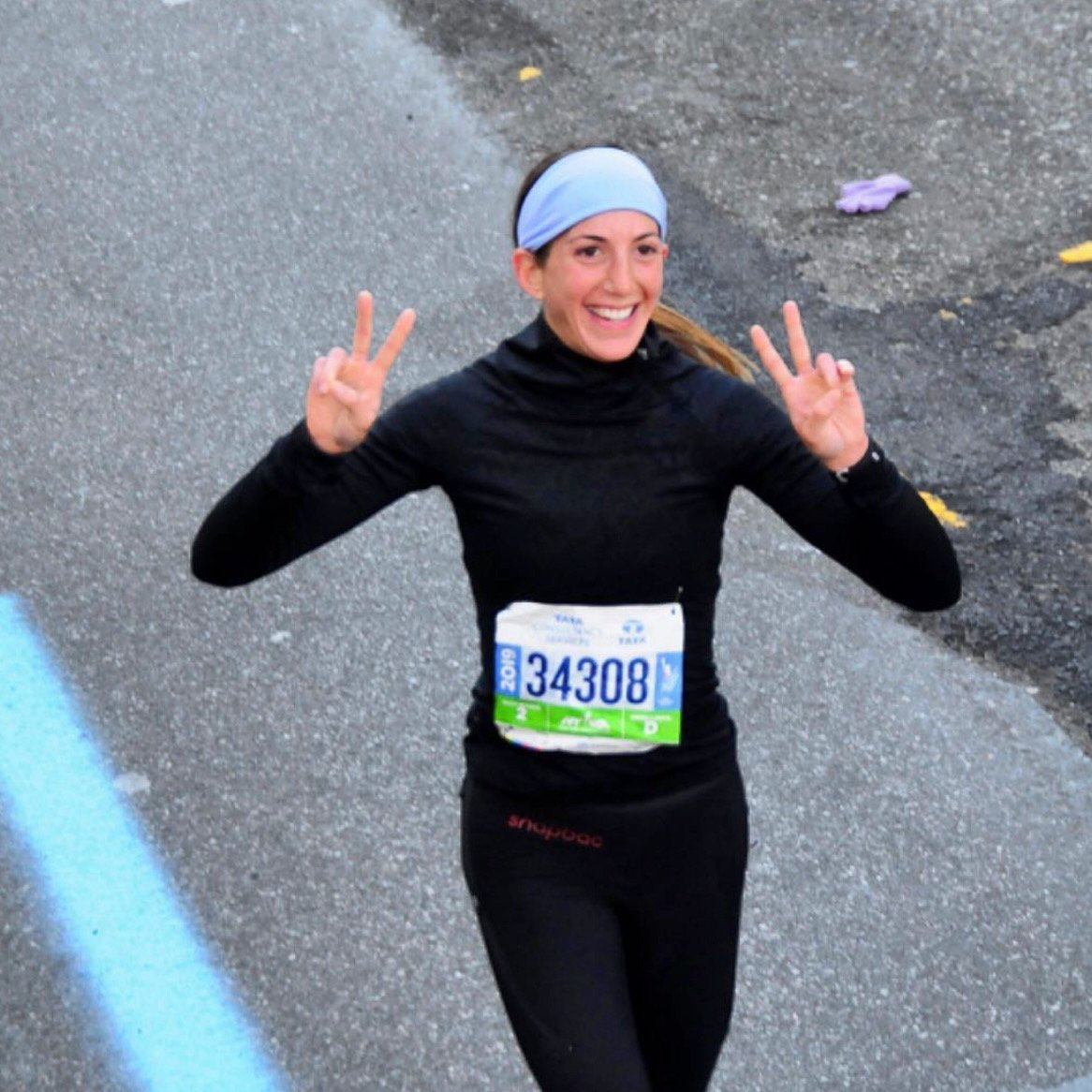
I’ve gathered my experiences (the good and the bad) over the past decade and beyond, plus running the NYC Marathon 4x and pacing one of them, to give you everything you need to know about preparing for YOUR NYC Marathon! I wish I had known all this before I first ran the NYC Marathon in 2015. Now I get to share my learnings, experiences, takeaways, and lessons to help YOU prepare to run YOUR best RACE!
In this post, I provide you with:
Training tips
Personal stories of marathon triumph
Planning your travel
When & where to pick up your race bib, explore exhibits, and enjoy the festive atmosphere. Check the expo schedule and plan your visit accordingly. Packet pick-up, logistics, what you can and cannot bring into the race at the starting corrals!
Exploring the City: Take some time to explore New York City before the race. Visit iconic landmarks and try my favorite local hot spots!
Resting and hydrating: How to prioritize rest and hydration in the days leading up to the marathon.
Attending Pre-Race events: How to participate in pre-race events like the opening ceremony, charity events, or the Dash to the Finish Line 5K. Or my shakeout run with Neversecond on 10/31, with details here.
Reviewing the course: Study the NYC Marathon course map and elevation profile.
Best spots to spectate - the second half on First Avenue on 71st and 1st (or really anywhere on the West side of First Avenue!)
Best place to jump into the marathon
Where to watch the race if you want to see multiple people running GUARANTEED
The Mile/kilometer markers, where they are throughout the course
Where the fluids/food are on the course, what they are
The bathroom situation at the beginning and throughout the course
Some final takeaways to set you up for your best race mentally and physically!
Training logistics (in or outside of NYC) - Things to remind you of that you’ve already done to prepare you for your marathon
Training for the NYC Marathon requires dedication and a structured holistic strategy. If you’re not feeling your best after the race, reach out to us at RunWithAlli Coaching, and let’s get you to your next starting line strong, confident, mentally and physically resilient, and pain-free!
Pre-race go-to event
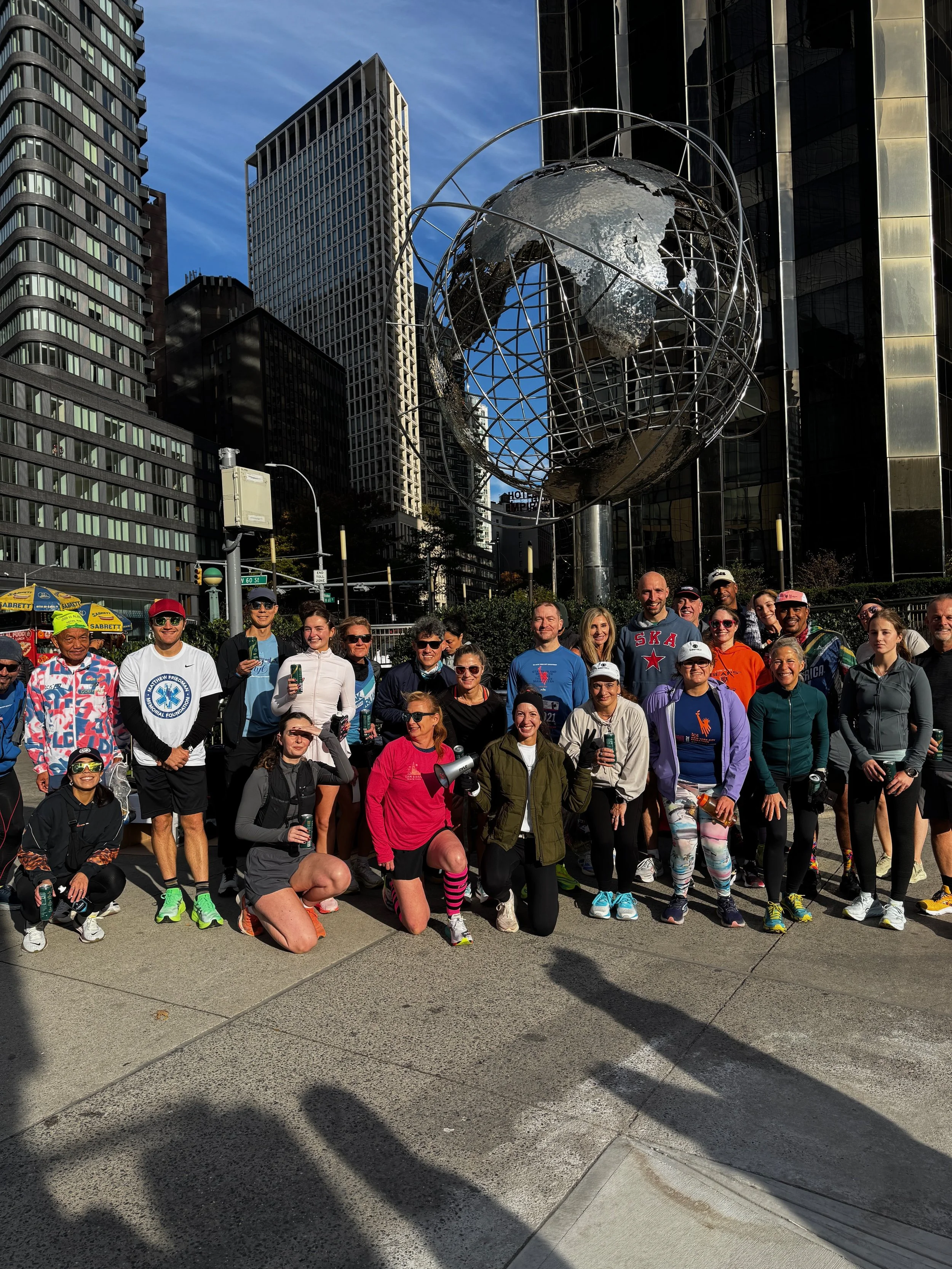
Please attend the Expo to get a list of official NYRR events. You can also attend my shakeout-the-nerves 5K run/walk with Neversecond on 10/31 at 9:00 AM! Don’t lose your spot and be sure to register here!
What iconic NYC places do you recommend?
• The Empire State Building
• The Chrysler Building
• Times Square
• Central Park
• Prospect Park
• Ellis Island
Where are the best places to run in NYC?
• West Side Highway
• Central Park
• Prospect Park
• McCarren Park for a quick track workout if you're here early enough the week before race day/Domino Park
What running stores/ athletic stores are you getting your gear from in NYC?
Fleet Feet (they're everywhere, especially Columbus Circle - super easy, Brooklyn Running Co. in Williamsburg, Brooklyn, or Park Slope, Brooklyn. The specialists in both stores are qualified and take the time to learn about you as a runner, especially when you're getting fitted for a new pair of running shoes. :) It is super important for injury prevention, too.
Get to the expo as early as possible, pick up your bib, and grab extra safety pins.
Attending the NYC Marathon Expo is an exciting part of the race experience. Here are some tips to make the most of your visit:
Arrive early: The expo can get crowded, so arrive early to avoid long lines and have more time to explore.
Documentation: Bring your confirmation email or bib number to pick up your race packet. You'll likely need a photo ID, too.
Comfortable attire: Wear comfortable clothing and shoes since you might spend time walking around and trying out gear.
Shopping list: Make a list of items you need or want, such as official race merchandise, running gear, or nutrition products. This will help you stay focused.
Budget: Set a budget for your purchases. The expo has plenty of tempting items, so it's easy to overspend.
Freebies: Watch for free samples, discounts, and giveaways from vendors. Many companies offer freebies and exclusive expo discounts.
Expo map: Grab a map of the expo layout to help you navigate and locate specific booths or areas of interest.
Meet celebrities: Check if any famous runners or figures from the running world are doing signings or appearances. It's a chance to meet your running heroes.
Race information: Review last-minute details, such as course maps, start times, and transportation.
Socialize: Use this opportunity to meet fellow runners, exchange tips, and share the excitement of the upcoming race.
Hydrate: Carry a reusable water bottle, which can get warm in crowded expos. Staying hydrated is essential.
Bag check: If the expo offers a bag check, use it to store your race packet and any items you buy while you explore.
Photo ops: Photo booths or backdrops with the marathon's branding are often available. Take the chance to take some pre-race photos.
Rest: Don't overexert yourself. The day before the race, rest and conserve your energy.
The NYC Marathon Expo is where you collect your race bib and celebrate the running community. Enjoy the experience and soak in the excitement of the upcoming race.
The best method of transportation for race day
I am a ferry fan, but you can take a taxi to the start if you go to the Verrazzano Bridge before 7 am. You can also take the bus; these transportation methods have been provided before race day. Refer to your NYRR portal and official race entries for exact timing details.
Getting to the NYC Marathon start line can be a logistical challenge because of road closures and the event's sheer size. Here are several methods of transportation to consider:
Subway: The New York City subway is a popular and efficient way to get to the start line. Be sure to check for service changes or interruptions on race morning.
Staten Island ferry: If you're starting on Staten Island, the Staten Island Ferry from Manhattan is a scenic, accessible option. Shuttle buses are usually available to take you from the ferry terminal to the start village.
NYC Marathon buses: The marathon provides official transportation from Manhattan to the start line on Staten Island. To register for the race, you must reserve a spot on these buses.
Private transportation: Taxis, rideshare, or private car services can drop you off at or near the start area. However, be aware of road closures and traffic delays. It's recommended to arrive early.
Walking or cycling: If you're staying near the start line, consider walking or cycling. Check for road closures and security restrictions.
Group transportation: Some running groups and organizations offer group transportation to the start line. Check with local running clubs or charities associated with the marathon.
Hotel shuttle: If you're staying in a hotel that offers shuttle service to the start line, take advantage of this convenient option.
Ferry from Brooklyn: If you're starting on Staten Island, some runners take a ferry from Brooklyn instead of Manhattan. Check the race website for specific details.
Family and friends drop-off: If you have family or friends with you, they can drop you off near the start area. Be sure to check for specific drop-off points and restrictions.
Use the NYRR App: The official NYRR App lets you share your tracking with loved ones, friends, colleagues, and anyone else, and it also provides transportation information and real-time updates on race-day logistics.
Check the official Marathon website for the most up-to-date transportation information, and follow any race-day guidelines and instructions. It's also a good idea to arrive early to allow for any unexpected delays or lines at security checkpoints.
Race day logistics - Getting to the start
Refer to this link for transportation details!
Race day morning, and the things you don't know about the starting line
Race day morning of the NYC Marathon is an exciting and essential time. Here's everything you should know to ensure a smooth and enjoyable experience:
Start time: The NYC Marathon typically starts early, around 8:00 AM. However, wave start times can vary, so check your bib or the official website for your specific start time.
Arrival time: Plan to arrive at the start village at least 2-3 hours before your wave start time. This allows time for security checks, bathroom stops, and some relaxation.
Security check: Be prepared for a security check at the start village entrance. Bag checks are typically conducted, so avoid bringing large bags and check race regulations for prohibited items.
Wave start: The race uses a wave start system that groups runners by estimated finish times. Make sure you know your assigned wave and corral.
Start village: The start village is divided into color-coded villages (Blue, Orange, and Pink) based on your wave and corral. Familiarize yourself with the layout so you can find your designated area.
Breakfast: Consider having a light, easily digestible breakfast 2-3 hours before the race. Popular options include bagels, bananas, and energy gels.
Hydration: Drink enough water in the morning, but don't overdo it. Water stations are along the course, so you don't need to drink excessively beforehand.
Warm clothing: The start can be chilly, so dress in layers you can discard when you warm up. The New York Road Runners (NYRR) usually collect and donate discarded clothing.
What to bring before you start (something to sit on while waiting/clothes to keep you warm that you can put in donation boxes as you begin running): I recommend bringing a zip-up sweatshirt (or two if you want), a beanie, gloves with hand warmers, sweatpants, and a throwaway towel or blanket to sit on in the runner's village. You can throw these before entering your starting corral. Everything gets donated and tossed, and they also have boxes there, but don't sweat it if you can't find them.
What to pack in your bag for after the race: If you check a bag, pack warm clothes (sweatpants, shirt, sweatshirt, gloves, hat, different sneakers, socks) so you don't have to walk around in sweaty clothes.
Toilet facilities: Plenty of portable toilets in the start village, but lines can get long. Allow extra time for bathroom breaks.
Stay relaxed: Try to stay calm and focused. Pre-race jitters are normal, but deep breathing or gentle warm-up exercises can help.
Know your route: Familiarize yourself with the race course, including the major landmarks you'll pass. This can help you mentally break the race down.
Pacing strategy: Stick to your planned pacing strategy and race plan. Start slowly, especially with the excitement of the event.
Spectators: If family or friends are watching you along the course, agree on specific meeting points after the race. Share your tracking via the NYRR app with friends and family so they can track you in real time on the course. Cellular networks can get congested.
Race etiquette: Be respectful to fellow runners. Stay in your corral, dispose of your trash correctly, and thank volunteers and spectators.
Fluids, food, and amenities must-know here: From NYRR Website
Pacing suggestions for the different terrain throughout the 26.2-mile course
Go out slower. Watch your overall clock time during the first mile; don’t rely on the GPS. The Verrazzano is a slight uphill. Look at the overall time on your watch versus relying on your GPS data-the nature of being in the city will throw off the GPS data throughout the race, not just at the start.
How to stay positive and manage nerves
Staying positive and managing nerves before the NYC Marathon, or any big race, is essential for peak performance. Here are some strategies to help you stay calm and focused:
Visualization: Spend time visualizing a successful race. Imagine running strong, crossing the finish line with a sense of accomplishment, and enjoying the journey.
Positive affirmations: Use positive self-talk to boost your confidence. Remind yourself of your training and the hard work you've put in.
Mindfulness and relaxation: Practice deep breathing, meditation, or progressive muscle relaxation to stay calm and stay centered.
Set realistic goals: Set realistic, achievable goals for the race. This can help alleviate the pressure of high expectations. Have an A Goal and a B goal.
Stick to your plan: Trust in your training and your developed race strategy. Stick to your pacing plan and avoid making last-minute changes.
Stay present: Focus on the present moment, not the entire race. Break it into smaller segments and focus on one mile at a time.
Stay organized: Ensure all your race-day logistics are well-organized and have everything you need. This reduces pre-race stress.
Support system: Surround yourself with supportive family and friends who can offer encouragement and help you stay positive.
Positive visuals: Create a vision board or use motivating images reminding you of your goals and your work. Do this the week before the race.
Stay social: Interact with fellow runners and use the camaraderie as inspiration. Share your excitement and nerves with others who understand.
Music and playlist: If you enjoy running with music, create a motivating playlist. Familiar, uplifting songs can boost your mood.
Embrace nerves: Understand that feeling nervous is normal. It's a sign that you care about the race. Embrace the nerves and use them as energy.
Laugh and relax: Find ways to lighten the mood, whether watching a funny movie or spending time with loved ones. Laughter can be a great stress reliever.
Focus on gratitude: Reflect on what you're grateful for
The course
My description of the NYC Marathon and how the course feels is below:
The NYC Marathon is exhilarating. If anyone is going to run a world major, NYC is BY far the most energetic and vibrant of the three in the USA. It's a net uphill, but the energy throughout the course from the end of the Verrazano Bridge through Central Park is just something else. Please take advantage of the long journey to the start line because it's an adventure. You hop on the ferry, then get escorted to buses that take you to the actual starting line of the marathon, with all the Dunkin Donuts Tents and endless time waiting to start your race. It's a zoo at the start, so I'd recommend bringing extra layers. Be careful and go at a reasonable speed on the Verrazano Bridge; it's hard to do anyway because it's slightly uphill, then downhill into Brooklyn on Mile 2. Stay disciplined in your mile and pace yourself through Brooklyn into Long Island City, past the 13.1-mile marker. Take advantage of the flat course and energy in the first half of the race. The Queensboro Bridge feels like the start of a different race. You can hear only footsteps stomping on the bridge, and no spectators are allowed.
The crowds are ROARING as you head into Manhattan and come off the Queensboro Bridge onto First Avenue. And nothing beats running down the bridge after the slight uphill run up it! If you have ever seen Brittany run a Marathon and run the NYC Marathon, YOU WILL BREAK OUT IN TEARS. It's the best thing I've seen to prep you and get you amped for what this moment is like in the NYC Marathon. Mile 17 is where my old apartment is, on 71st and 1st, and about the place to mentally prepare yourself for the most challenging part of the race to come, not just because of the nature of the end of any marathon, but the net uphill part of it. First Avenue takes you into the Bronx (a bit different this year with the last turns you can reference easily here), looping around onto 5th Avenue, slightly uphill, heading into Central Park. The crowds are incredible; let the energy carry you, but focus on putting one step in front of another,
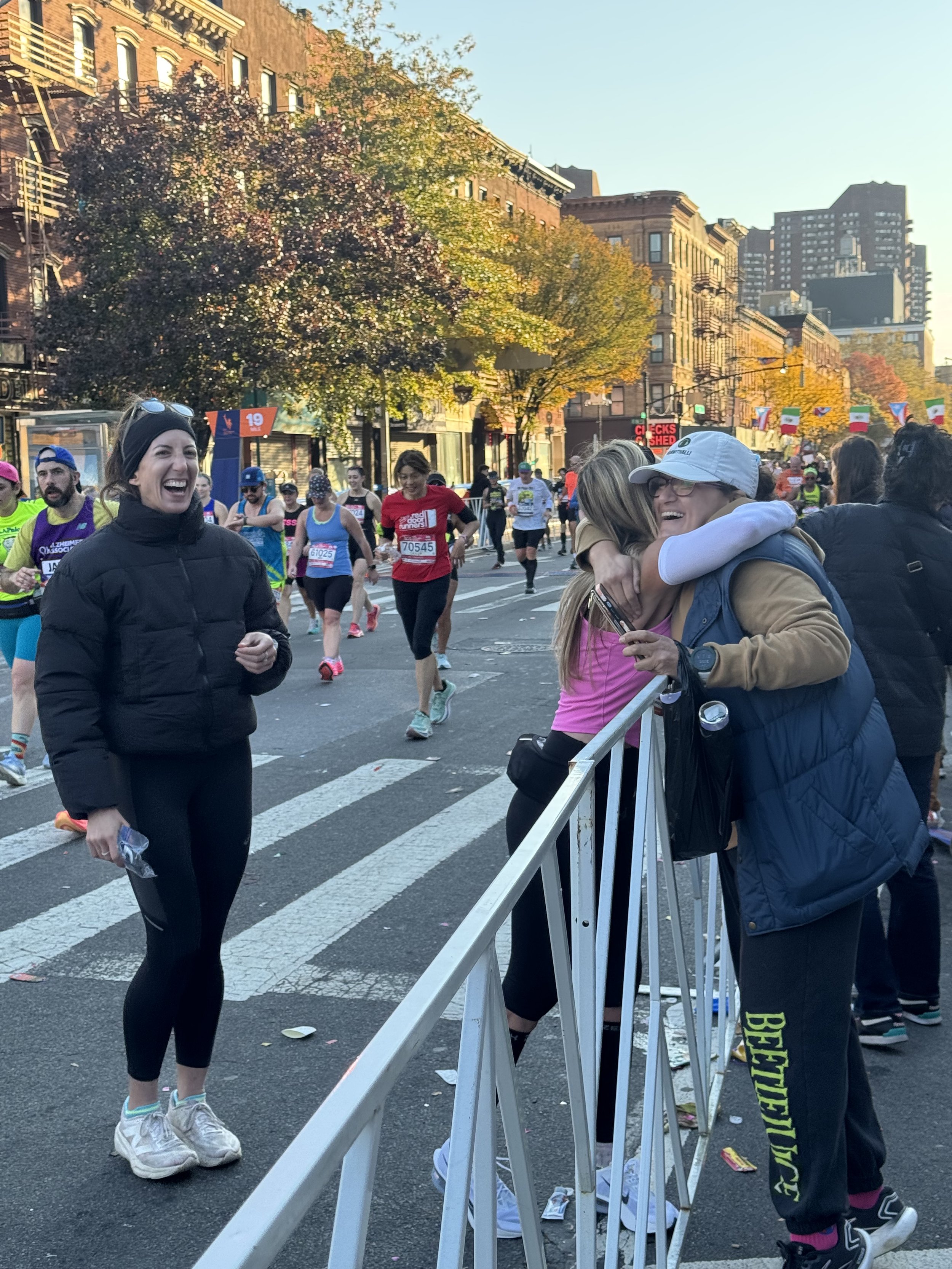
Especially heading into Central Park during the last 10K of the Marathon. Mile 25 takes you up to Columbus Circle, and it hurts, but keep your eyes on the finish line: a slight right-hand turn at Columbus Circle into Central Park to cross the 26.2-mile marker. Your life will never be the same once you run the NYC Marathon.
Course hacks
Write on your arm where your friends are cheering and share your location if you have a portable battery for your phone so we can find you in real time. Or use a pace band from the expo!
Pacing
Consistency is king; don't burn through glycogen by progressing too early and risk bonking at mile 18 or 20. Go out slow for miles 1-3, hold the pace, don't go too fast the first half of the race, and if you can pick it up, pick it up after mile 20 progressively, 3 seconds per mile, or hold the pace through the 26.2-mile marker!
When to conserve energy (things like don't start so fast), go out 10 seconds slower than your goal marathon pace time at the start. Let people fly by you as you cross the Verrazano Bridge. Check the overall time on your watch after crossing the mile 1 marker to make sure you went smoothly; if you didn't, adjust and dial it back from mile 2.
The most challenging spots mentally/physically are where you can have your people at. This varies by person, but taking the race one mile at a time will let you focus on every step, stay present, and not get overwhelmed by what’s ahead and what you can’t control. I think the marathon begins as you get deeper into the second half, so having mantras and ways to stay present each mile from 13.1 to 26.2 will be a game changer. Have your people after the Queensboro Bridge! They can hang with the RWA squad right here if they’d like!
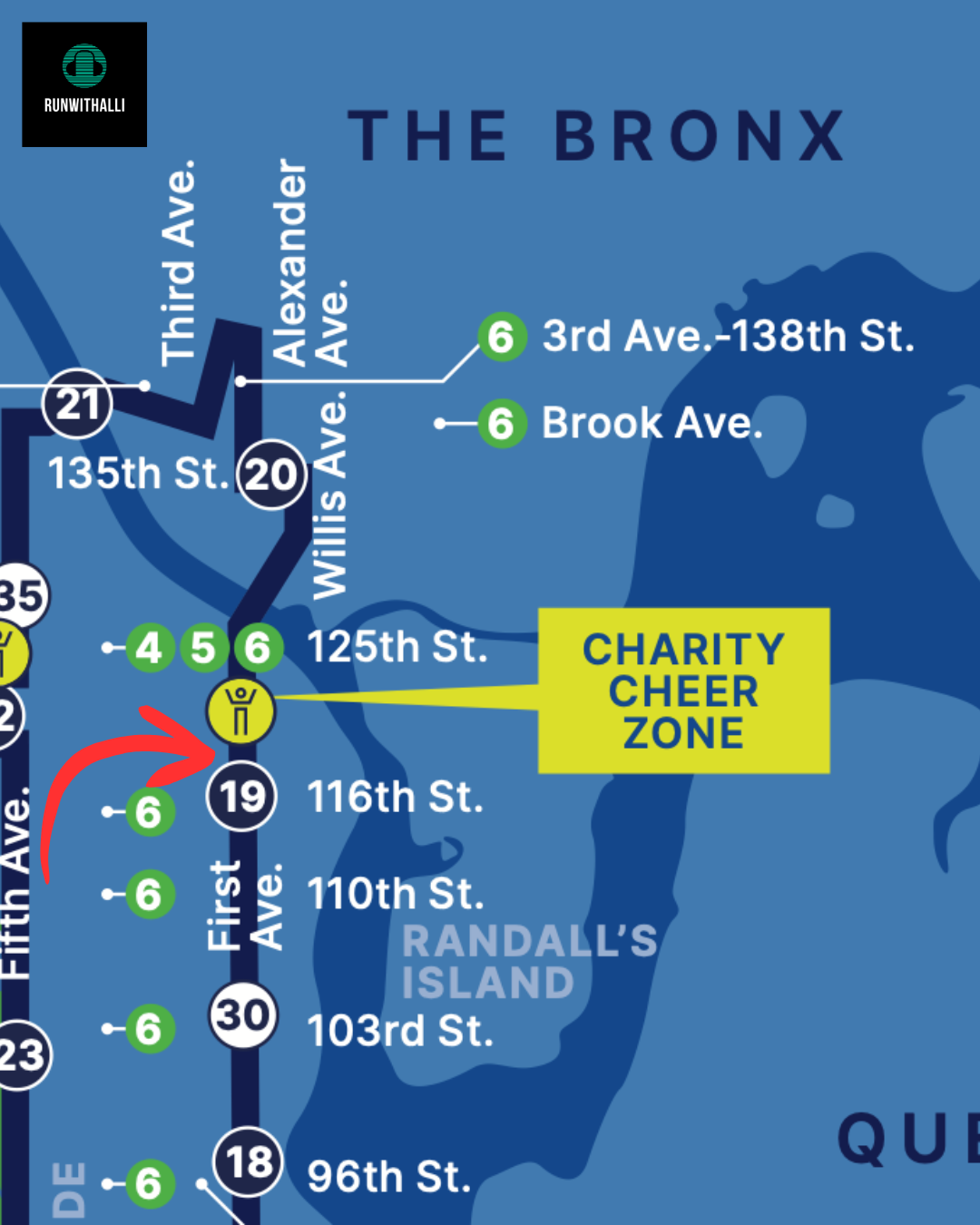
Best place to jump in
Miles 17-19, Miles 22-24; Williamsburg is rowdy (Mile 12) - can always hop on the L to the N, Q, R to get close to Miles 24-25.
Best places to spectate
Where to watch the race: if you want to see multiple people running GUARANTEED (Miles 3, 7, 9, Miles 16-18, and miles 22-24, you can hop on the L train to the N, Q, R that takes you right to Central Park at Mile 24- stood here last year)
What to do if the temperature is less than ideal, and how you can still run your best race
Stay on top of your electrolytes; if the temperature is less than ideal, run it for fun and listen to your body. Take note of the aid stations along the course.
After you cross the finish line
• Be prepared to walk a mile.
• Meet your friends and family at Amsterdam and 80th on the West Side, away from the Chaos.
• You can collect your bag after getting your finisher medal and food/water after crossing the finish line as you move out of Central Park. Signs will tell you where to go.
Post-Race Recovery
• Eat throughout the day.
• Remember - it depends on how much you ate.
• WALK
• Recovery - how much time after do you need off? Depends.
Reflect and CELEBRATE!
Give yourself a pat on the back and celebrate your WIN!!!!! People will celebrate you, and it’s just as important to celebrate yourself!
